How to Plan a Perfect Road Trip Across the US National Parks
Planning a road trip across US national parks is as much about strategy as it is about spontaneity. With a bit of structure, you can leave room for adventure without wasting time or money. Here’s a step‑by‑step guide to designing a trip that feels epic rather than exhausting.
1. Decide What Kind of Trip You Want
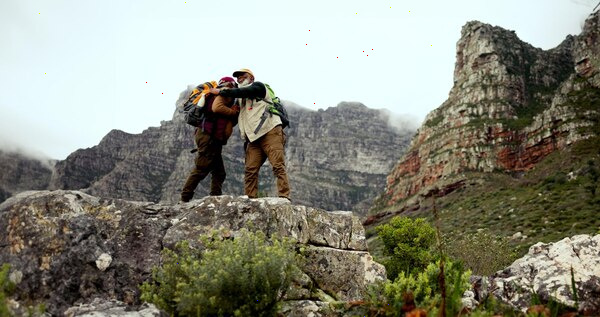
Before you open a map, clarify your priorities. It will shape every decision that follows.
Ask yourself:
- How many days do you realistically have?
- What’s more important: seeing many parks briefly, or exploring a few in depth?
- Do you prefer:
- Hiking and backcountry adventures
- Scenic drives and viewpoints
- Wildlife watching and photography
- Family‑friendly activities and short walks
- Are you okay with crowds, or do you want quieter, lesser‑known parks?
Example styles:
- “Greatest Hits” (2–3 weeks): Zion, Bryce Canyon, Arches, Canyonlands, Grand Canyon, Yosemite, Yellowstone, Grand Teton.
- Region‑Focused (7–10 days): Just Utah’s “Mighty Five” or California’s Sierra Nevada parks.
- Off‑the‑Beaten‑Path: Parks like Great Basin, North Cascades, Lassen Volcanic, Big Bend, Guadalupe Mountains.
Having a clear style will help you avoid the “drive all day, see nothing well” trap.
2. Choose the Right Time of Year
National parks are extremely seasonal, and timing can make or break your trip.
Summer (June–August)
- Pros: Long daylight, most roads and trails open at higher elevations.
- Cons: Peak crowds, highest prices, intense heat in desert parks, smoky conditions in some western areas due to wildfires.
Shoulder Seasons (late April–May, September–October)
- Often the best balance:
- Lighter crowds
- More comfortable temperatures
- Easier lodging reservations (though still competitive for iconic parks)
- Note: Some high mountain roads and trails may still be snowed in early season or start closing in the fall.
Winter (November–March)
- Pros: Quiet parks, cheaper lodging, magical snow scenes in places like Yosemite, Yellowstone, Bryce Canyon.
- Cons: Road closures, chain requirements, limited services, very short days. Not ideal for long multi‑park road trips unless you’re experienced with winter driving.
Match parks to seasons:
- Desert/Southwest parks (Joshua Tree, Death Valley, Zion, Arches, Big Bend): Best in late fall–spring.
- High‑elevation / northern parks (Yellowstone, Glacier, Rocky Mountain, North Cascades): Best in late June–September.
- California & Pacific parks (Yosemite, Sequoia, Olympic, Redwood): Late spring–fall is best; winter access is partial but can be beautiful.
3. Build a Logical Route
Now start mapping.
Step 3.1: Pick Your Start and End Points
Decide whether:
- You’ll drive your own car from home and do a loop.
- You’ll fly in and rent a car/RV, starting near a cluster of parks.
Popular gateway cities:
- Las Vegas: Zion, Bryce Canyon, Grand Canyon (North Rim), Death Valley.
- Salt Lake City: Yellowstone, Grand Teton, Arches, Canyonlands, Capitol Reef.
- Denver: Rocky Mountain, Great Sand Dunes, Black Canyon of the Gunnison, access to Utah.
- Phoenix / Flagstaff: Grand Canyon (South Rim), Petrified Forest, Saguaro.
- San Francisco / Los Angeles: Yosemite, Sequoia, King’s Canyon, Joshua Tree, Channel Islands.
- Seattle: Olympic, Mount Rainier, North Cascades.
Step 3.2: Use Clusters of Parks
Group parks into logical road‑trip clusters to minimize backtracking:
- Utah’s “Mighty Five”: Zion, Bryce Canyon, Capitol Reef, Arches, Canyonlands.
- Grand Circle (broader Southwest loop): Adds Grand Canyon, Monument Valley (not a national park but worth it), Page (Horseshoe Bend/Antelope Canyon), maybe Mesa Verde.
- Wyoming/Montana: Grand Teton + Yellowstone + Glacier (with long drives in between).
- California Sierra Nevada: Yosemite, Sequoia & King’s Canyon; add Lake Tahoe or Death Valley.
- Pacific Northwest: Olympic, Mount Rainier, sometimes North Cascades.
Work with a mapping tool (Google Maps, Roadtrippers, or Gaia/AllTrails for hike planning) to:
- Keep any single driving day ideally under 6 hours.
- Avoid backtracking when possible.
- Note long, service‑sparse stretches (e.g., between some desert parks).
4. Decide How Long to Spend in Each Park
Rushing through too many parks leaves you with a blur of viewpoints and little satisfaction. A rough minimum guide:
- 1 day: Quick highlights, scenic drives, a short hike.
- 2–3 days: Enough for a couple of solid hikes, sunrise/sunset, and some flexibility.
- 4–5+ days: Best for backpacking, long hikes, or really getting to know a complex park (Yellowstone, Yosemite, Glacier).
Examples:
- Yellowstone & Grand Teton: At least 2–3 days for Yellowstone, 1–2 for Grand Teton.
- Zion: 2–3 days (busy shuttles, hikes like Angels Landing, The Narrows take time).
- Arches & Canyonlands (Island in the Sky): 1–2 days each can work.
- Yosemite: 3–4 days if you want both valley highlights and some higher‑country hikes (in summer/fall).
Build in at least one lighter or rest day every 5–6 days for laundry, resupply, and just breathing.
5. Understand Reservations and Permits
More parks now use reservations to control crowding. Check each park’s official National Park Service (NPS) page well in advance.
Things to verify:
- Timed‑entry or day‑use reservations (for certain parks or corridors).
- Campground reservations and their booking release dates (many open 6 months ahead and sell out quickly).
- Backcountry permits for overnight backpacking or special routes.
- Special hike or road permits, such as:
- Angels Landing in Zion (permit required for chains section)
- Some wilderness permits in Yosemite
- Mount Whitney permits
- Parking or shuttle systems:
- Zion Canyon is primarily shuttle‑based.
- Some popular trailheads in multiple parks now require shuttle or timed parking.
Book what you can as early as your dates allow, but stay flexible enough to handle plan B if you don’t secure a permit.
6. Choose Your Vehicle and Accommodation Style
Your comfort level here will define the character (and cost) of your road trip.
6.1 Vehicle Options
- Regular car/SUV:
- Pros: Cheapest rental, easiest to drive and park, flexible.
- Cons: Need separate lodging (hotels, cabins, or tent camping).
- Campervan / RV:
- Pros: Lodging and transport combined; great for longer trips, families, or those who prefer their own bed.
- Cons: Higher rental and fuel costs, more challenging to maneuver/park, some roads and campgrounds have length limits.
If you’re visiting remote parks and doing a lot of backroads (where legal and safe), an SUV with higher clearance can be helpful, but for most classic national park highlights, you don’t need 4x4.
6.2 Where You’ll Sleep
Common approaches:
- Inside the park: Campgrounds or park lodges.
- Pros: Sunrise/sunset access, less time spent in traffic, more immersion.
- Cons: Fills up fast, can be more expensive than nearby towns.
- Gateway towns: Motels, hotels, cabins, private campgrounds.
- Pros: More amenities (restaurants, groceries), often more availability.
- Cons: More driving in/out each day, especially in popular parks.
- Mixed approach: Some nights in park campgrounds, others in town to shower, eat out, and reset.
If camping:
- Reserve national park campgrounds as early as possible on Recreation.gov when reservations are offered.
- Know which are first‑come, first‑served and have a plan to arrive early if relying on them.
7. Budget Realistically
A national parks road trip can be done on a shoestring or as a comfortable, mid‑range vacation, but costs add up fast if you’re not prepared.
Key budget categories:
- Entrance fees: Buy the America the Beautiful annual pass if you’re visiting 3+ parks. It covers entrance fees for all national parks and many other federal lands for a year.
- Fuel: Long distances, especially out West. Plan for higher-than-expected fuel costs.
- Lodging: Park lodges are often pricey; campgrounds and budget motels can save money.
- Food: Eating out in gateway towns is often more expensive; grocery shopping and cooking your own meals is cheaper.
- Gear: Tents, sleeping bags, boots, coolers, water containers, backpacks, etc.
Plan a daily budget and add a buffer for emergencies (tow, unexpected tire replacement, medical issues, extra hotel night).
8. Pack Smart for the Road and the Trails
Think in three categories: the car, your base camp, and your day pack.
8.1 Car Essentials
- Physical maps or offline maps (cell service is unreliable in many parks).
- First aid kit, including blister care and medications.
- Tire pressure gauge, jumper cables, basic tools.
- Extra water (several gallons, especially in desert parks).
- Cooler for perishable food.
- Headlamps or flashlights.
- Sunscreen, hats, sunglasses.
- Layers: temperatures can swing dramatically between day and night.
8.2 Camping/Lodging Gear
- Tent, sleeping bags appropriate to expected temperatures, sleeping pads.
- Camp stove, fuel, lighter/matches, simple cooking gear.
- Reusable water bottles or hydration bladders.
- Reusable containers for food; trash bags.
- Quick‑dry towel, toiletries, and any prescription medications.
8.3 Day‑Hiking Kit
- Sturdy, broken‑in footwear.
- Small backpack with:
- Water (more than you think: 2–3 liters per person for half‑day hikes, more for long/hot hikes).
- Snacks/food.
- Map or downloaded offline trail info.
- Lightweight layer, rain shell, sun protection.
- Emergency essentials: small first aid kit, whistle, basic navigation tools.
9. Know the Safety Basics
Each park has its own risks; research them, but some general rules apply everywhere:
- Hydrate and pace yourself. Elevation, heat, and long days of activity can hit harder than expected.
- Stay on marked trails to avoid getting lost, damaging fragile ecosystems, or encountering unstable ground.
- Wildlife safety:
- Keep your distance (follow NPS guidelines, often 25–100 yards depending on species).
- Never feed wildlife.
- In bear country, understand bear safety and food storage rules (bear canisters, lockers).
- Weather awareness:
- Check the forecast daily at visitor centers or online before you lose service.
- In desert parks, learn about flash flood risk in canyons.
- In mountain parks, afternoon thunderstorms are common; start early.
- Driving safety:
- Watch for animals on the road, especially at dawn and dusk.
- Don’t drive exhausted after a long hike; build in rest time.
10. Balance Structure with Flexibility
The best road trips feel planned but not rigid. Leave space for the unexpected:
- Block out “anchor dates”: key reservations like Yosemite campground dates or a Yellowstone lodge stay.
- Between anchors, keep flexible days where you can:
- Stay longer in a park you love.
- Skip a stop if weather is terrible.
- Explore a nearby monument, state park, or town instead.
If something is fully booked, look for:
- Nearby public lands (national forests, BLM land) for camping.
- State parks that are often less crowded but still beautiful.
11. Sample 10‑Day Southwest National Parks Itinerary
To see how all of this comes together, here’s a compact example:
- Day 1: Arrive in Las Vegas, drive to Zion. Evening in Springdale.
- Day 2–3: Zion National Park (shuttle, shorter hikes day 2; bigger hike day 3).
- Day 4: Drive to Bryce Canyon. Afternoon viewpoints and short rim walk.
- Day 5: Sunrise in Bryce, then drive scenic Highway 12 to Capitol Reef. Evening exploration.
- Day 6: Capitol Reef hikes; drive to Moab.
- Day 7–8: Arches and Canyonlands (Island in the Sky).
- Day 9: Long drive back toward Las Vegas (or another departure city), possible overnight halfway.
- Day 10: Departure.
This is still full but allows multiple nights in key hubs and more than a “drive‑through” experience.
12. Make It Meaningful, Not Just Monumental
It’s tempting to treat a national parks road trip like a checklist. Instead, aim to:
- Choose fewer parks and go deeper in each.
- Watch at least a few sunrises or sunsets instead of only mid‑day viewpoints.
- Join a ranger‑led program where available for context and stories.
- Learn and respect Indigenous histories and current connections to the lands you’re visiting.
- Practice Leave No Trace principles to protect fragile environments.
With thoughtful planning, you can shape a road trip that fits your time, budget, and interests—one that gives you both the big scenery and the quieter moments that stay with you long after you’ve returned home.